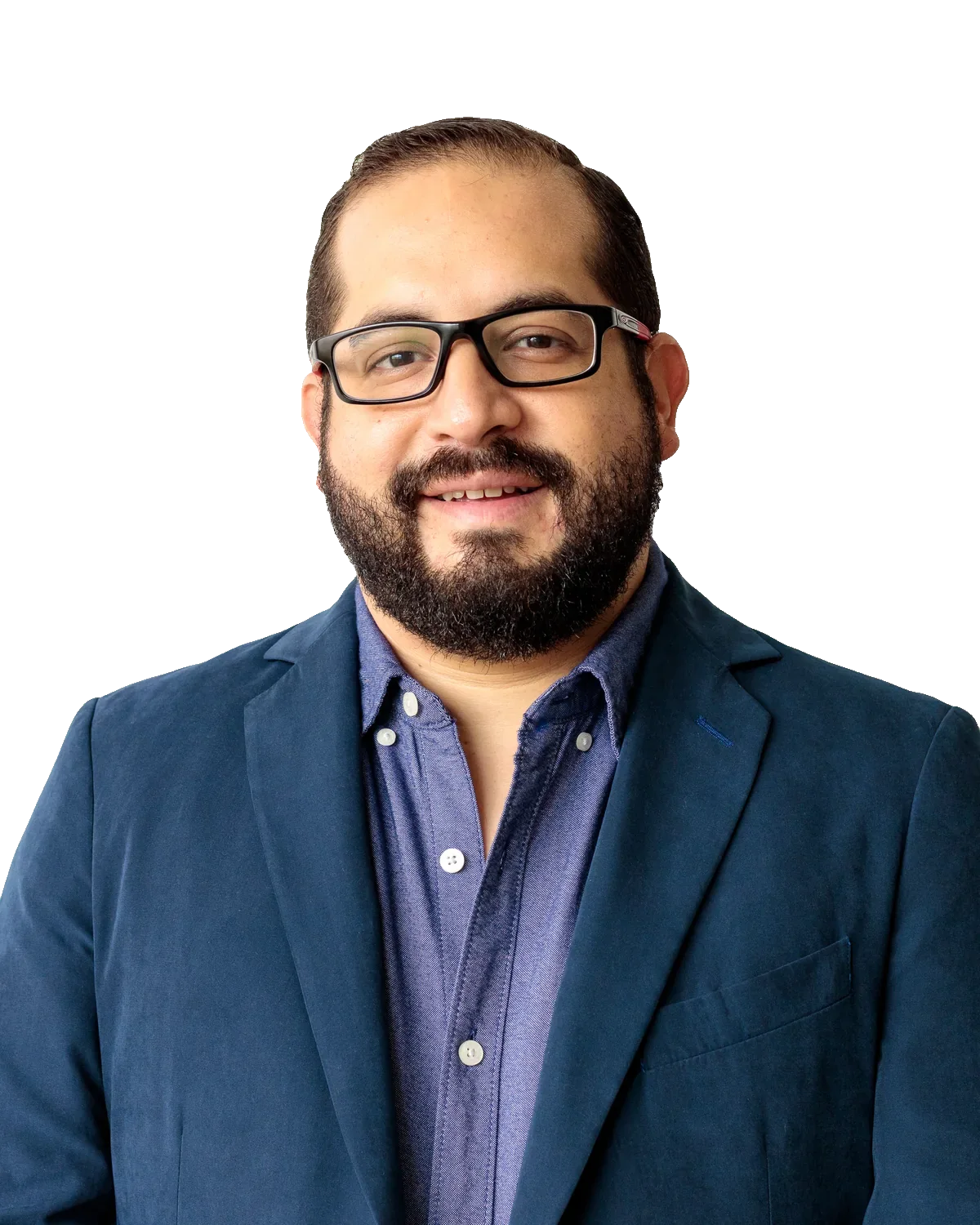
Oral surgeon · CIMA, EscazúOral & maxillofacial surgery · Hospital CIMA, Escazú
First, the plan.Then, the surgery.
I'm Ronald Torres Labardini. Since 2013 my practice has been exclusively oral and maxillofacial surgery, and since 2006 I have taught it at the University of Costa Rica. Before operating, I measure, explain and plan every case with you.
5.0
104 verified reviews on Huli
2013
Specialty, UNAM
2006
Since 2006, professor at UCR
The method
Every surgery starts with a measurement.
A cephalometric analysis marks points on the skull and face and measures the angles between them. That tells me where each bone sits, how far it needs to move and what must not be touched. The same logic guides a wisdom tooth, an implant or jaw surgery.
- 01MeasureX-rays, CT scans and photographs: the case in numbers, not by eye.
- 02ExplainI show you what I see, the options and what each one involves. No rush.
- 03PlanEvery step of the surgery is decided before entering the operating room.
- 04Stay with youClear instructions and answers to your questions throughout recovery.
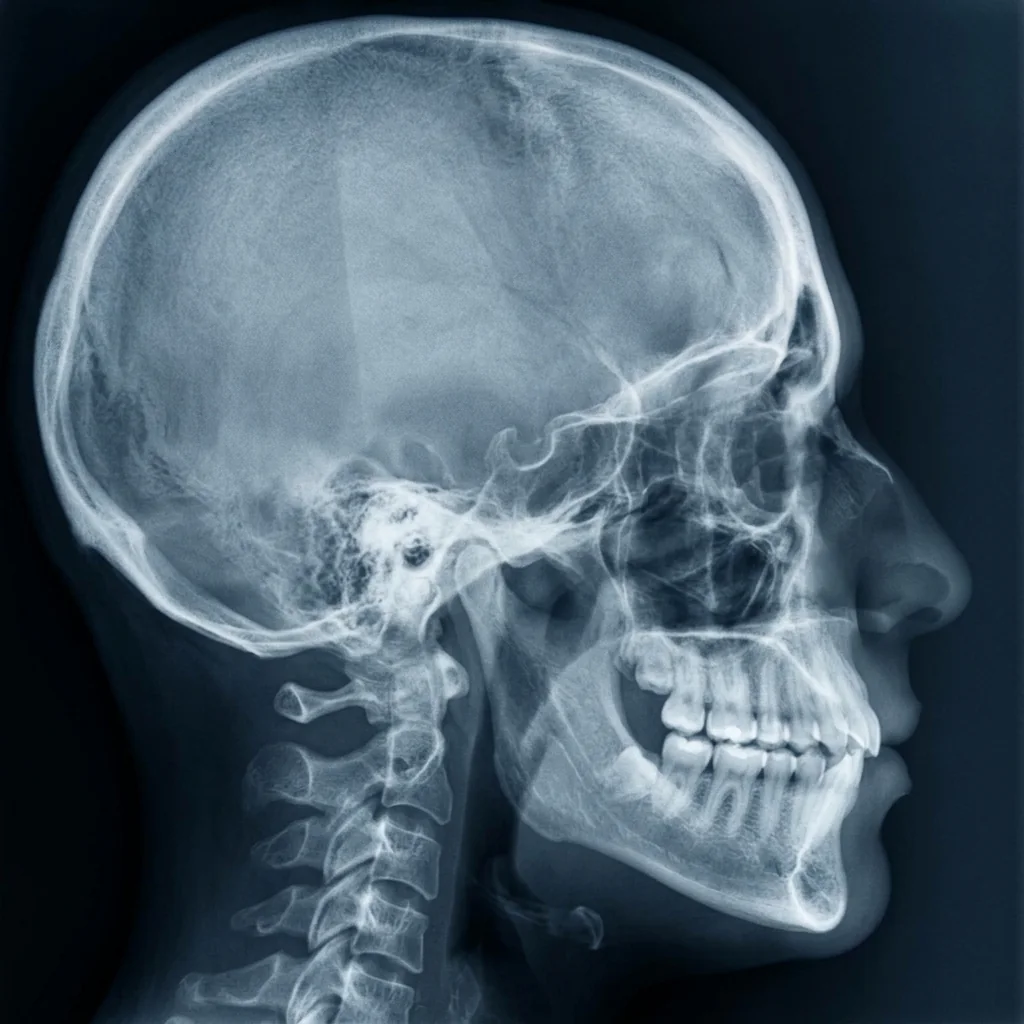
Landmark · A
Point A
The deepest point of the upper jaw's front contour, above the upper incisor roots. It tells where the maxilla sits.
- SNA
- 85.5°
- Upper jaw position
- SNB
- 82.9°
- Lower jaw position
- ANB
- 2.6°
- Relation between both
Tap a point to see what it measures. Illustrative radiograph; the angles are measured on it.
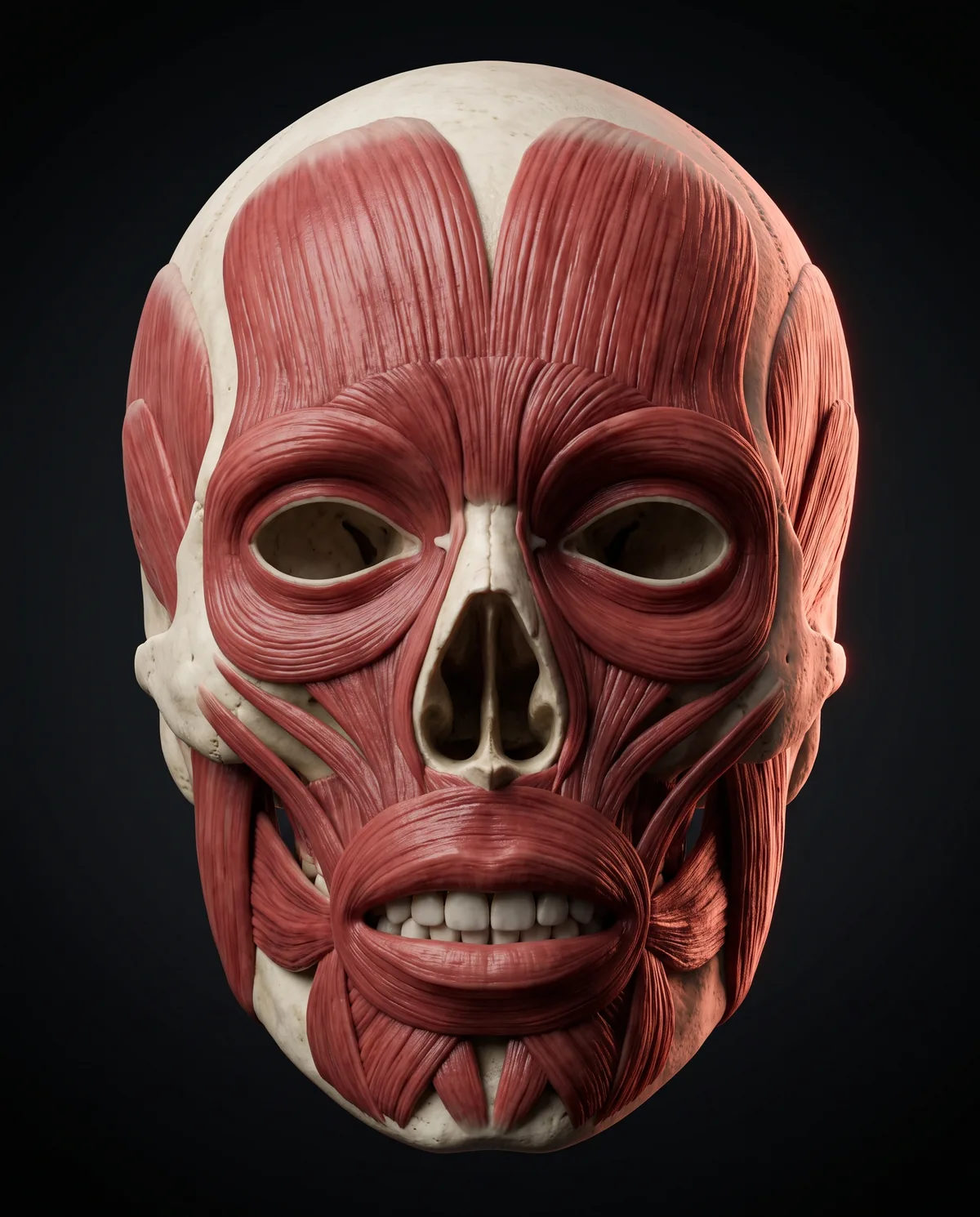 FrontalisOrbicularis oculiZygomaticus majorMasseter
Anatomical illustration. Proportions were measured on this image.
The frontal analysis
A face is measured in thirds.
From the hairline to the glabella, from the glabella to the base of the nose, and from there to the chin. Comparing those three spans, and one side of the face with the other, shows which area is out of proportion. Under the skin sit the muscles of facial expression: facial surgery is planned with them in mind too.
- Upper thirdHairline → glabella
- 1.00
- Middle thirdGlabella → base of the nose
- 1.06
- Lower thirdBase of the nose → chin
- 1.13
Midline: splits the face in two halves to measure symmetry.
Where it hurts
Tell me where it bothers you.
Tap an area of the skull. I'll tell you what usually happens there and how I treat it.
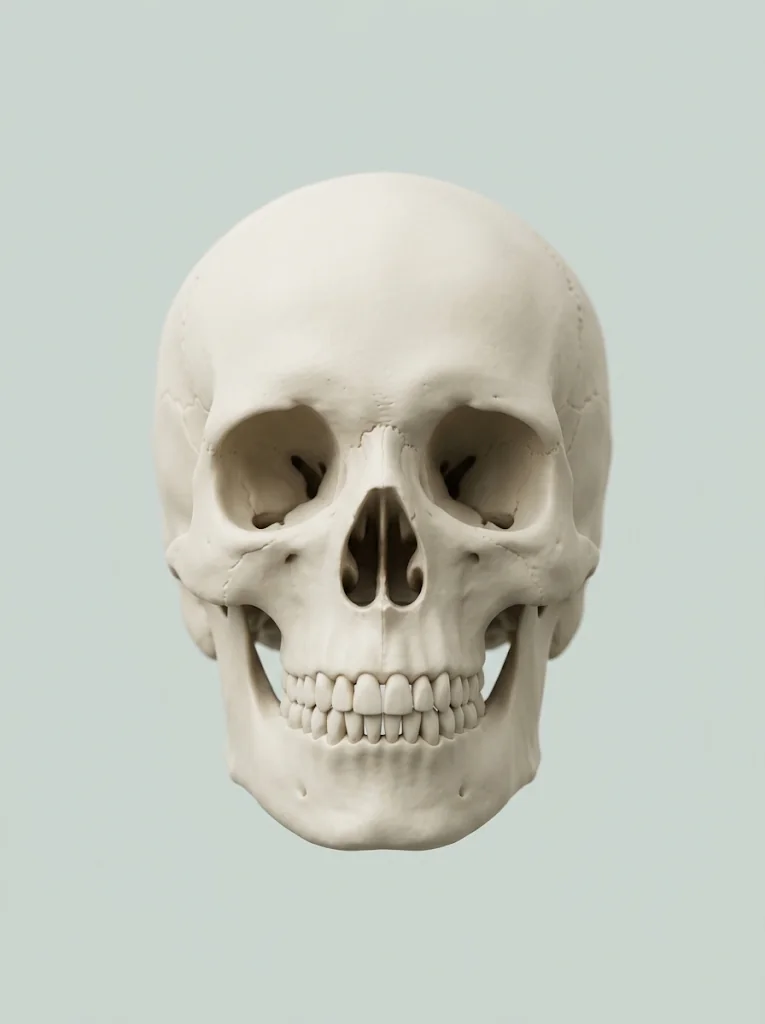
Wisdom teeth
What usually happens
- Pain at the back of the mouth that comes and goes
- Swollen gum or a bad taste at the back
- A wisdom tooth that never fully came in
How it's treated
Procedures
What I operate on.
Since 2013 I have done nothing but oral and maxillofacial surgery. Each procedure has its own page: when it is indicated, how I do it, what recovery is like and the questions I hear most.
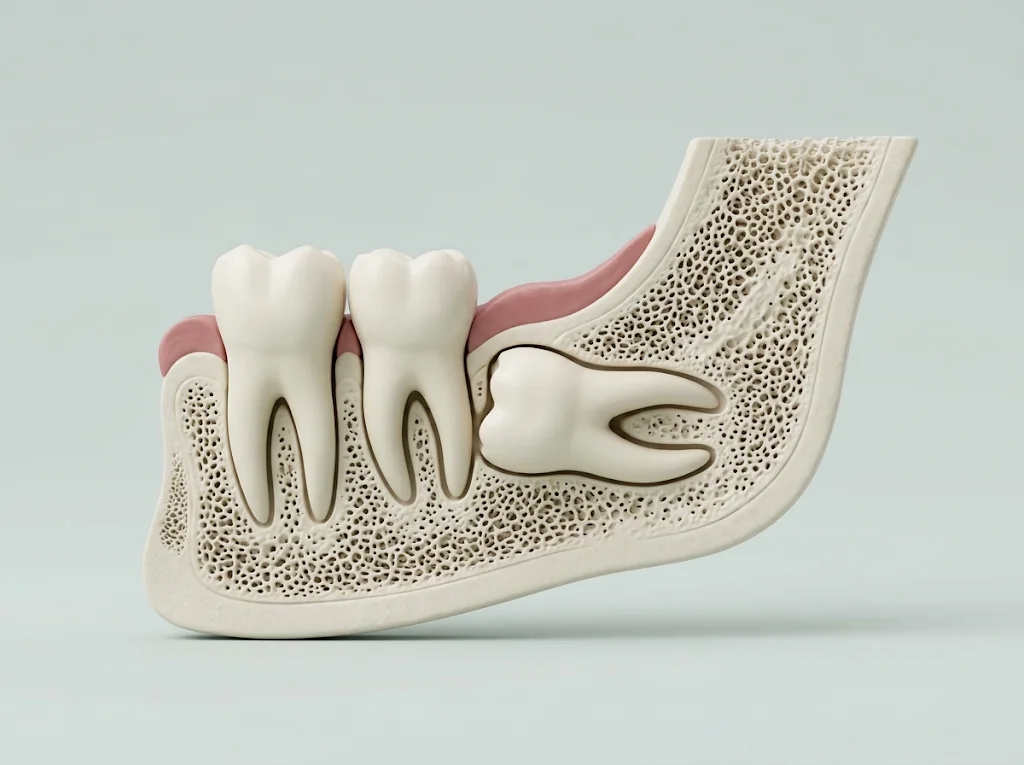
- 01Wisdom teeth surgeryImpacted, partly erupted or infected wisdom teeth, and when monitoring is enough.
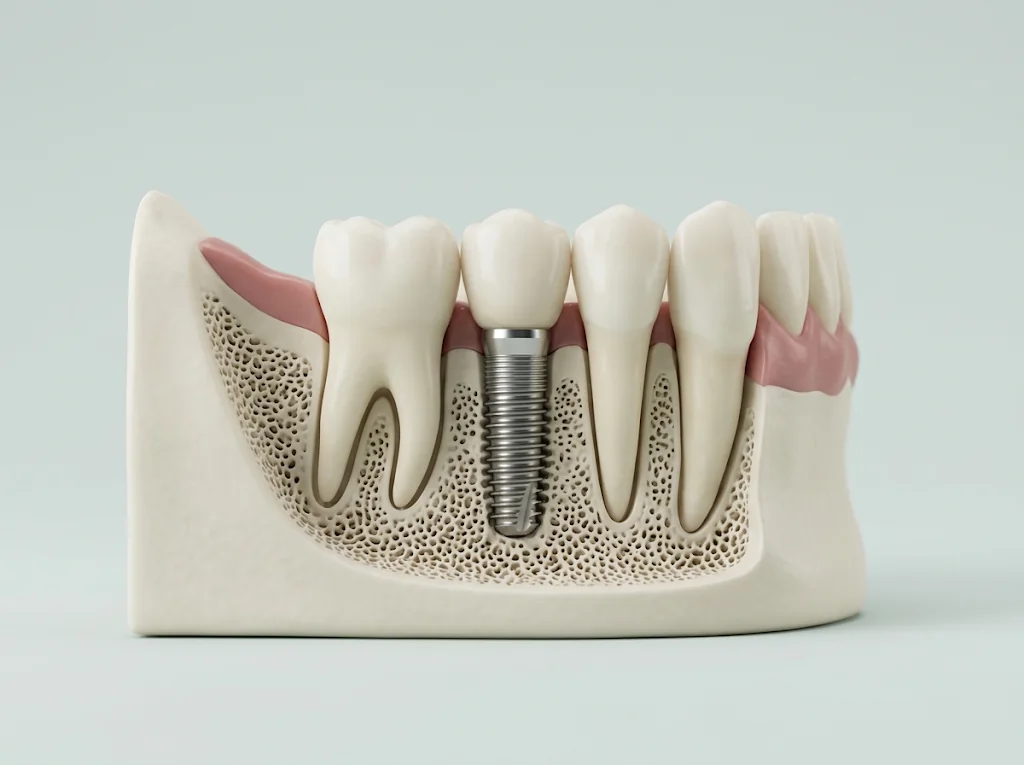
- 02Dental implantsReplacing one or more teeth with a titanium root, planned on a CT scan.
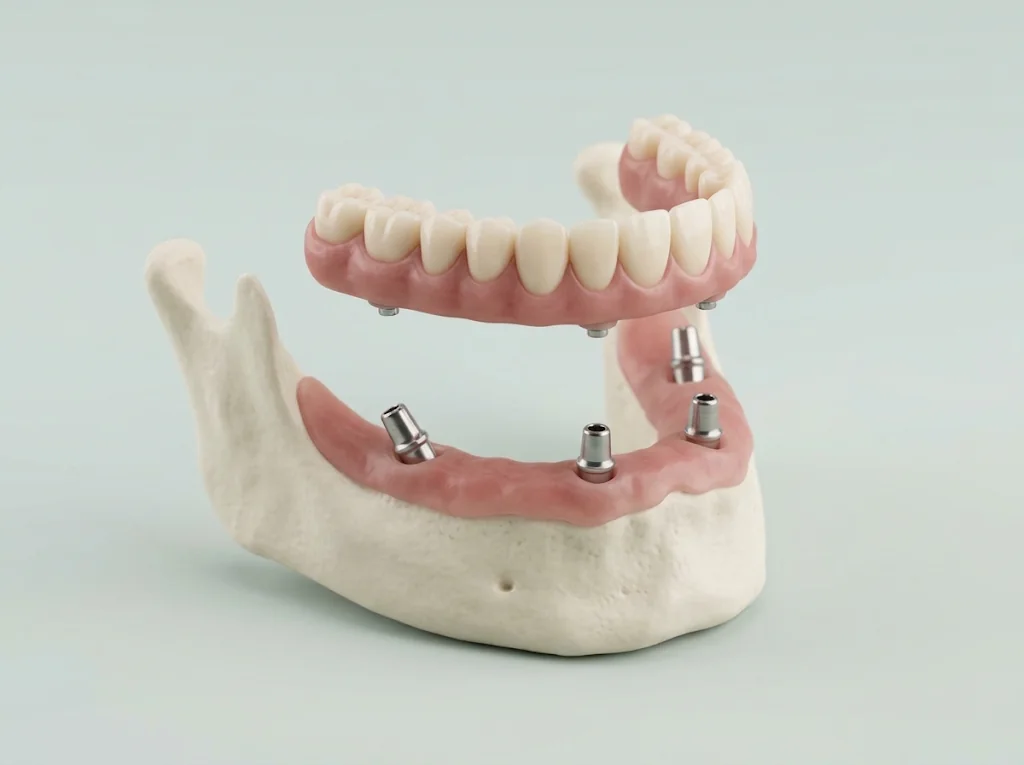
- 03All-on-4 immediate full archA fixed full arch on 4 or 6 implants, with fixed provisional teeth when stability allows.
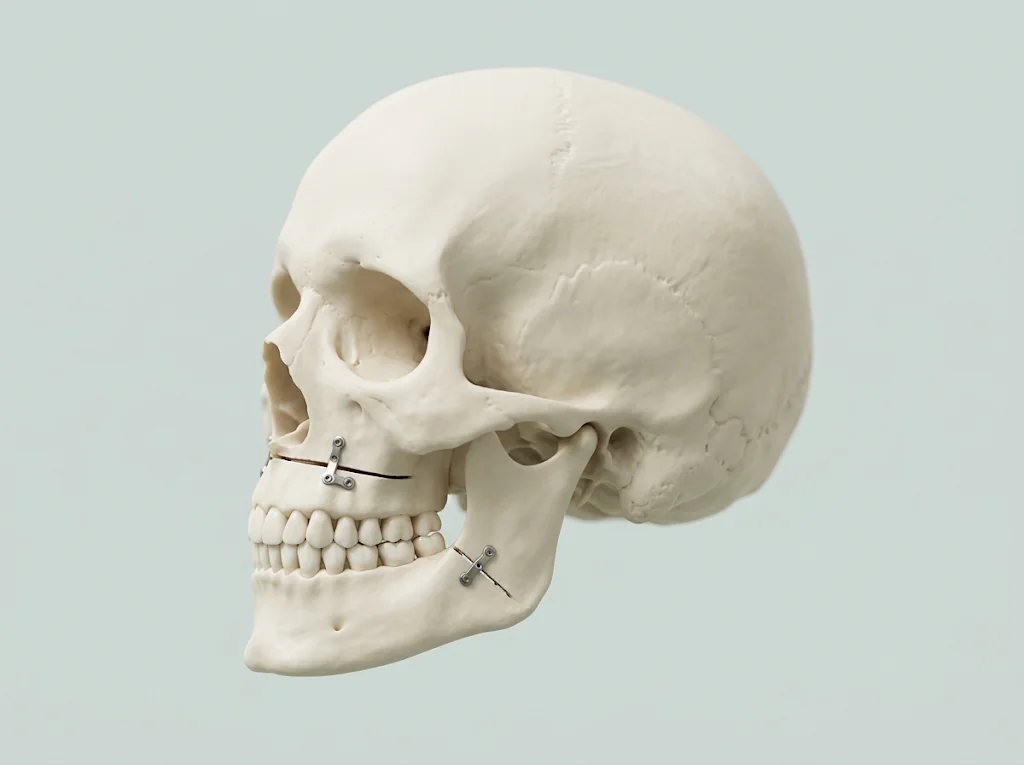
- 04Orthognathic surgeryMoving the jaws into place when the bite is off because of the bones.
- 05Sinus liftGaining bone in the upper back jaw so implants can be placed.
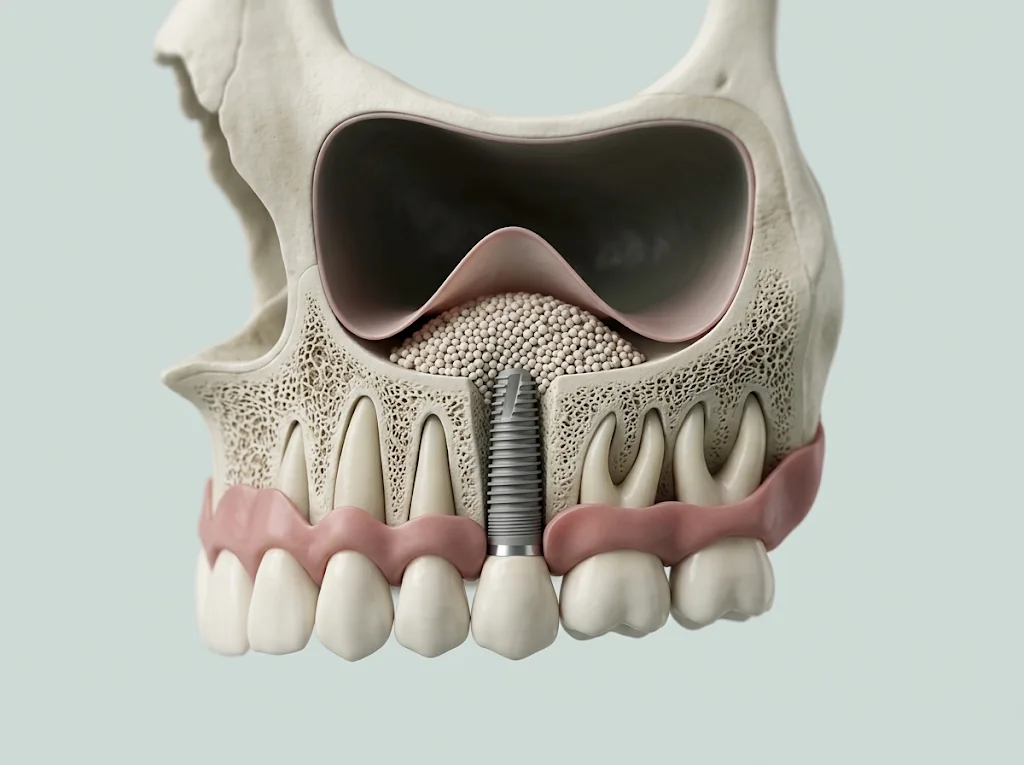
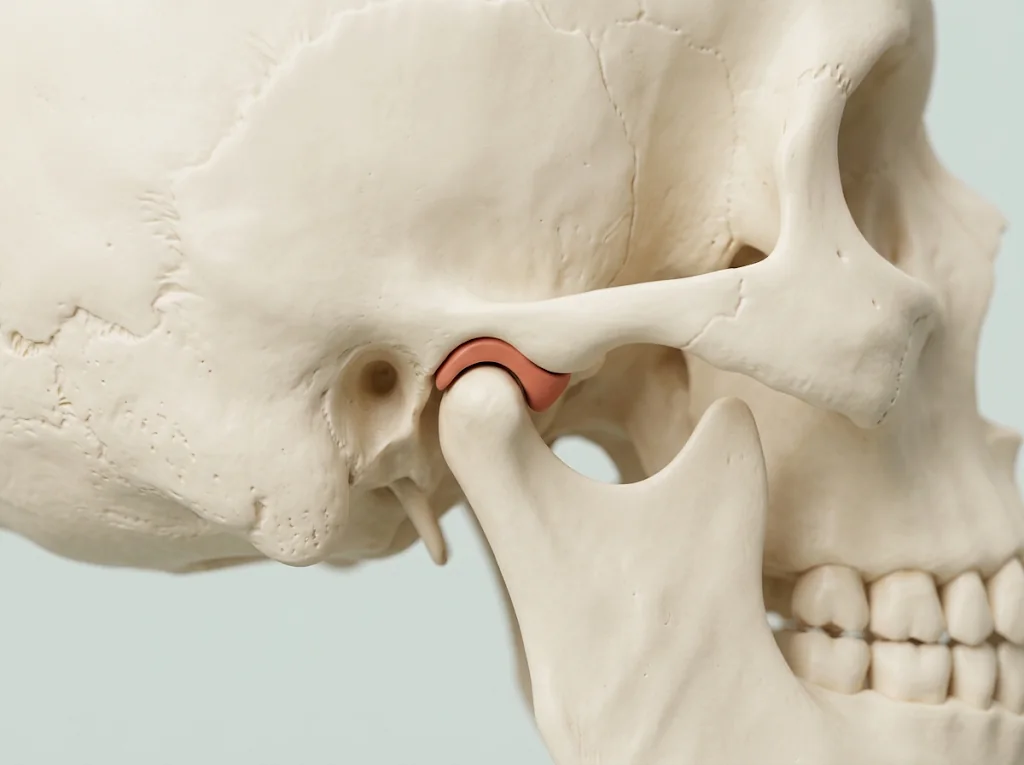
- 06TMJ treatment and surgeryJaw pain, clicking or locking: reversible care comes first.
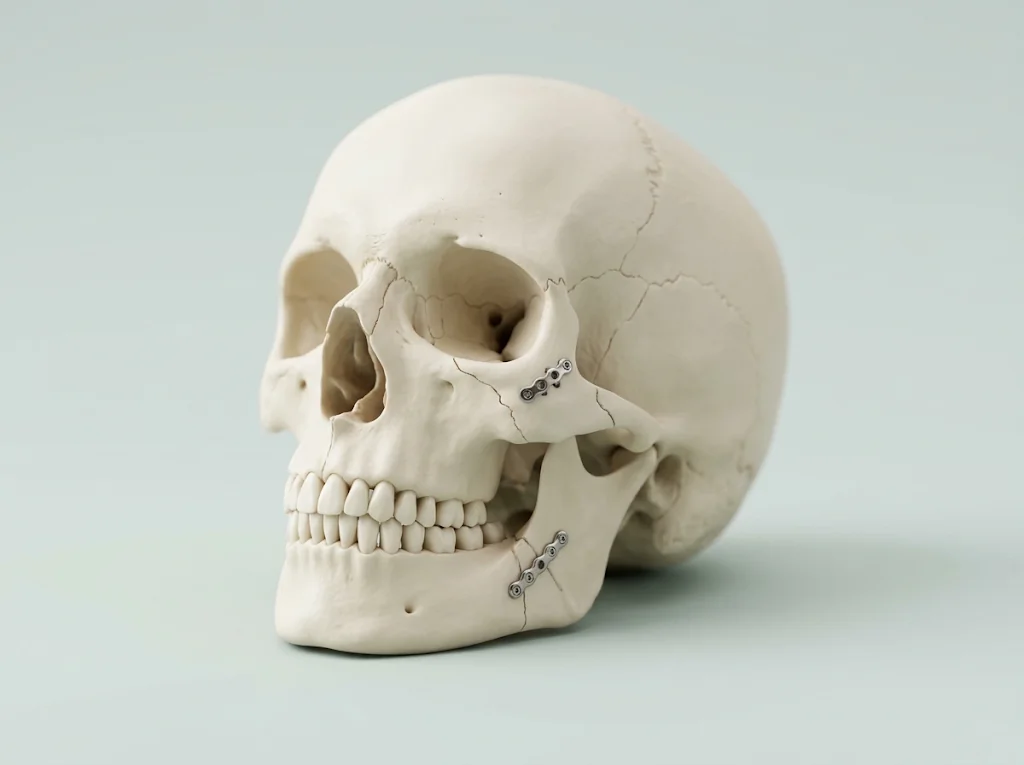
- 07Facial traumaFractures of the jaw, cheekbone and other facial bones.
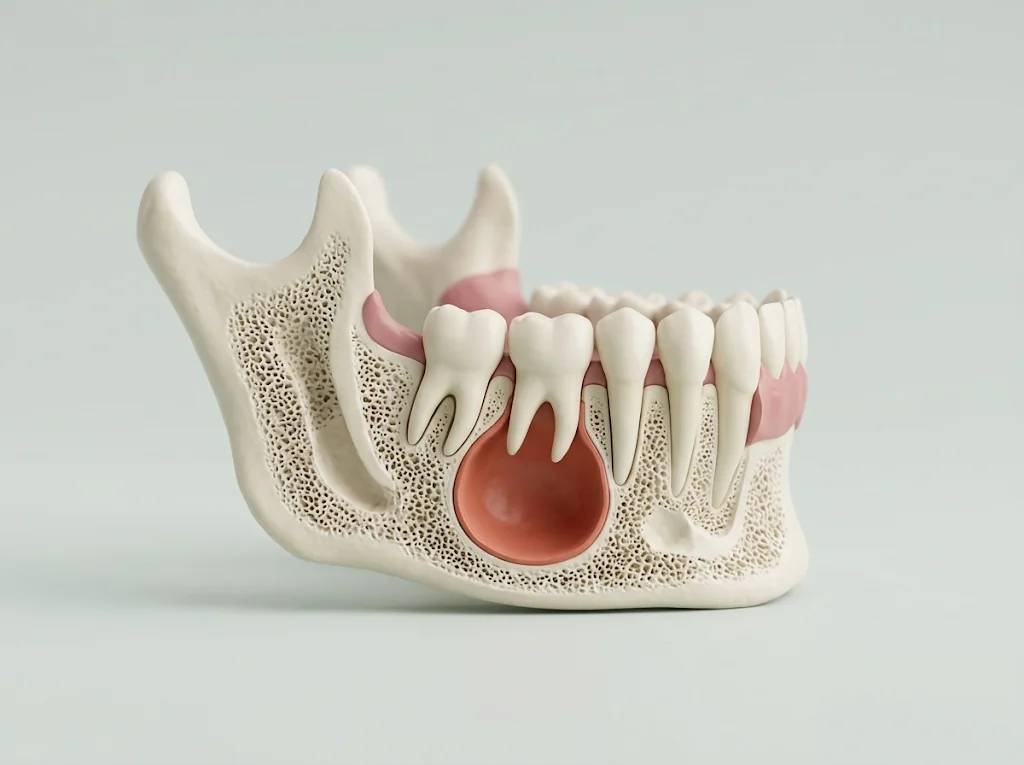
- 08Jaw cysts and tumorsCysts and tumors of the jaws, and lesions in the mouth: biopsy and surgery.
- 09Buccal fat removalSlimming the cheeks from inside the mouth, only if your face suits it.
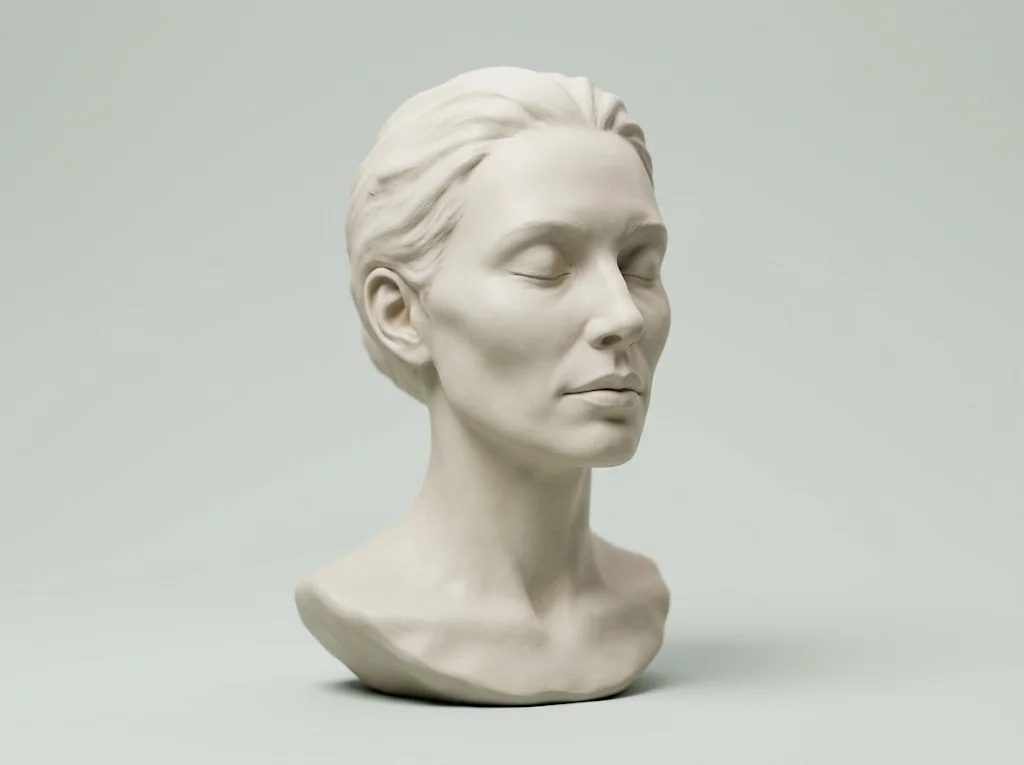
- 10Extractions and abscessesAbscesses, teeth that can't be saved, complex extractions and baby teeth.
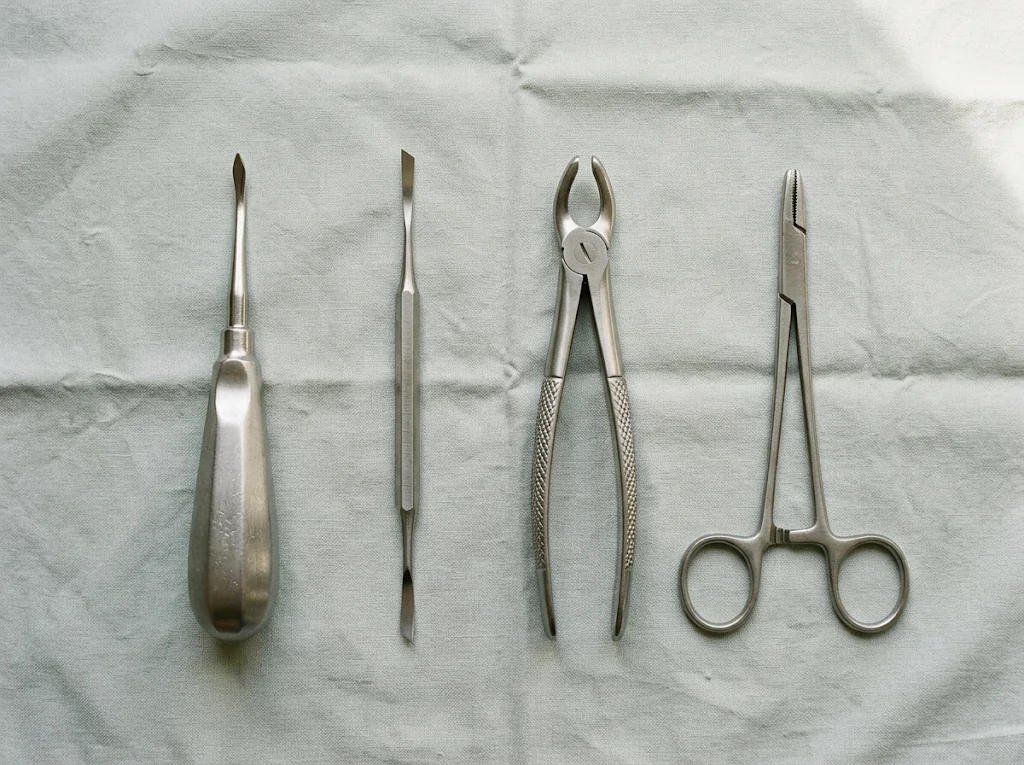
- 11Bone grafting and socket preservationProtecting bone when a tooth comes out, and rebuilding it when an implant needs more.
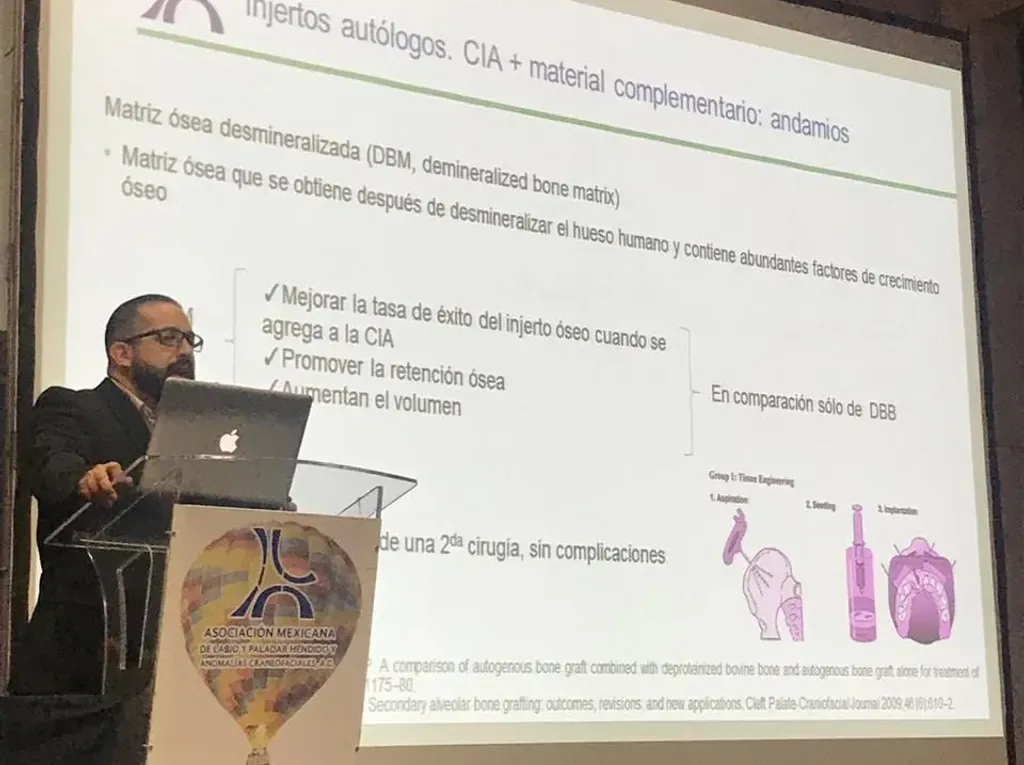
- 12Oral lesions and biopsySores that don't heal, white or red patches and lumps in the mouth: when to get them checked and what a biopsy involves.
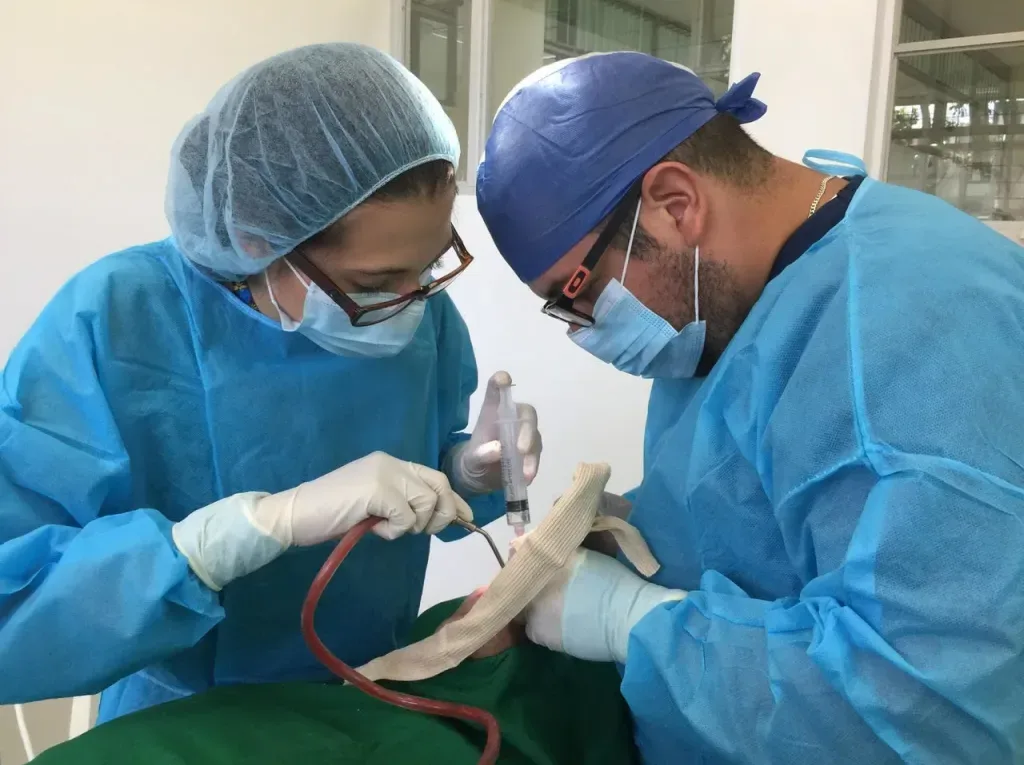
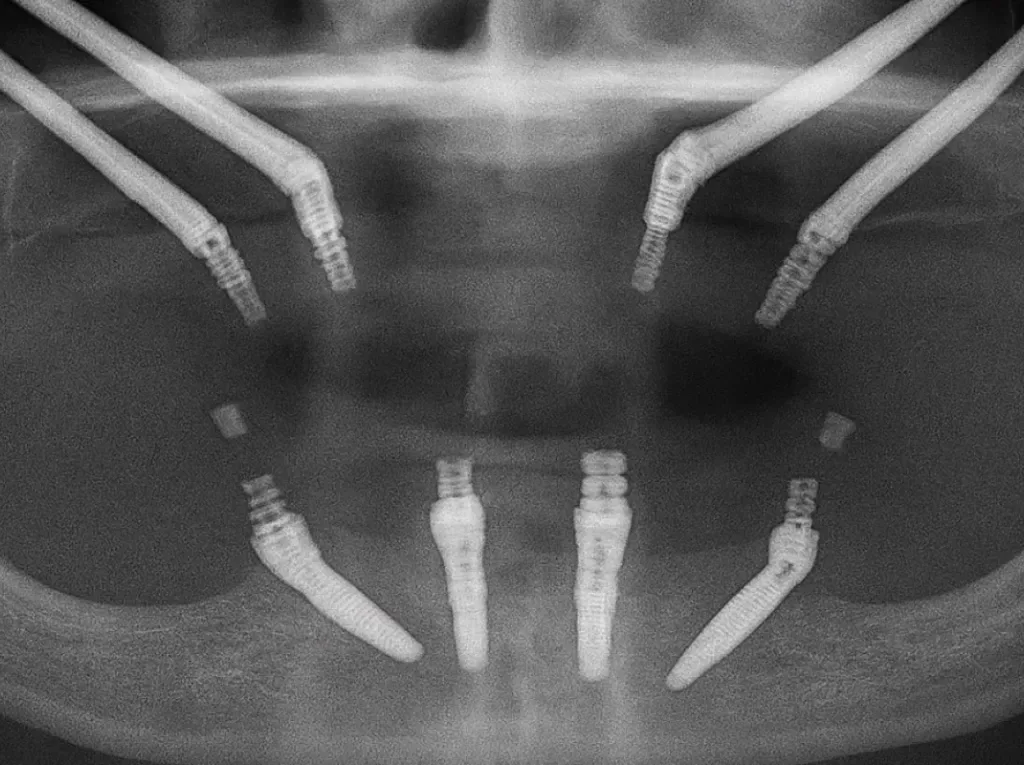
- 13Zygomatic implantsImplants when there is no bone: anchored in the cheekbone, for a severely resorbed upper jaw.
- 14Video consultation and second opinionReviewing your imaging and giving a second opinion without travel, and what can only be confirmed in person.
Excelente profesional. El doctor Torres Labardini me explicó de forma clara las particularidades del trastorno temporomandibular, así como posibles tratamientos.«Tuve una cirugia de 3 cordales al mismo tiempo, me ayudo para que estuviese lo mas relajada, me dio medicamento adicional para asegurar sentir lo menos posible, no fue nada traumatico el proceso, y el Dr es muy atento»
Liza F. · April 2024
«Lo que me gustó fue la accesibilidad del doctor siempre disponible para contestar cualquier inquietud»
Cinthya Q. · October 2026
«El médico se tomó el tiempo de escuchar mis inquietudes y abordó cada una de ellas. era profesional, elocuente e inteligente. Nos informó a mi esposa y a mí sobre el plan de tratamiento previsto. Metas y expectativas.»
Kenneth E. · August 2024
20
years teaching surgery at the UCR School of Dentistry (since 2006).
About
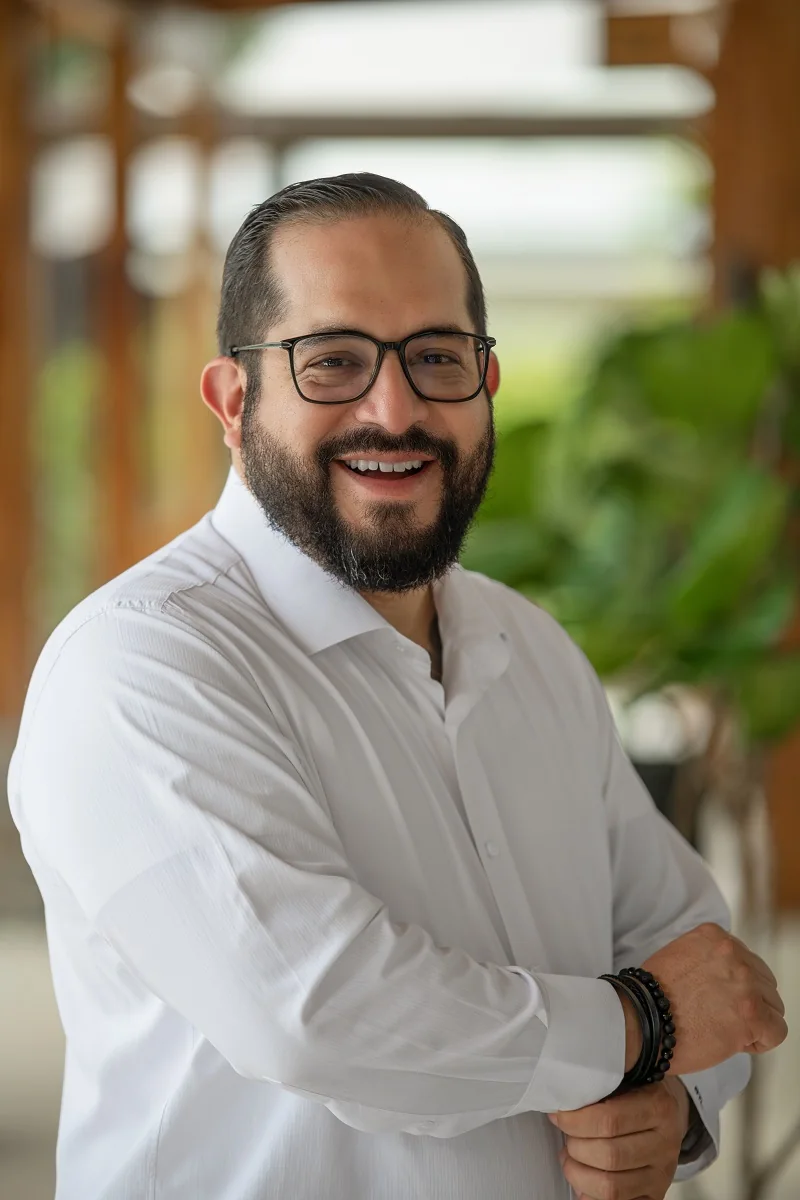
Surgeon, professor and, outside the operating room, diver, bass player and motorcyclist.
I am an oral and maxillofacial surgeon. I graduated as a dentist from the University of Costa Rica in 2005, and in April 2013 I completed my specialty in Oral and Maxillofacial Surgery at the National Autonomous University of Mexico (UNAM).
Since March 2006 I have been a professor in the Department of Diagnostic and Surgical Sciences at the University of Costa Rica School of Dentistry. Teaching forces me to explain things clearly — exactly what I do with every patient before surgery.
Outside the operating room
- Scuba diving
- Long-distance shooting
- Motorcycling
- Electric bass
- Trumpet
Live schedule
Open slots in my schedule.
These are the open slots in my schedule at Hospital CIMA, right now. Pick one and finish booking on HuliHealth, where I keep my schedule. If you already have a CT scan or a panoramic X-ray, bring it: it saves us both time.
Office
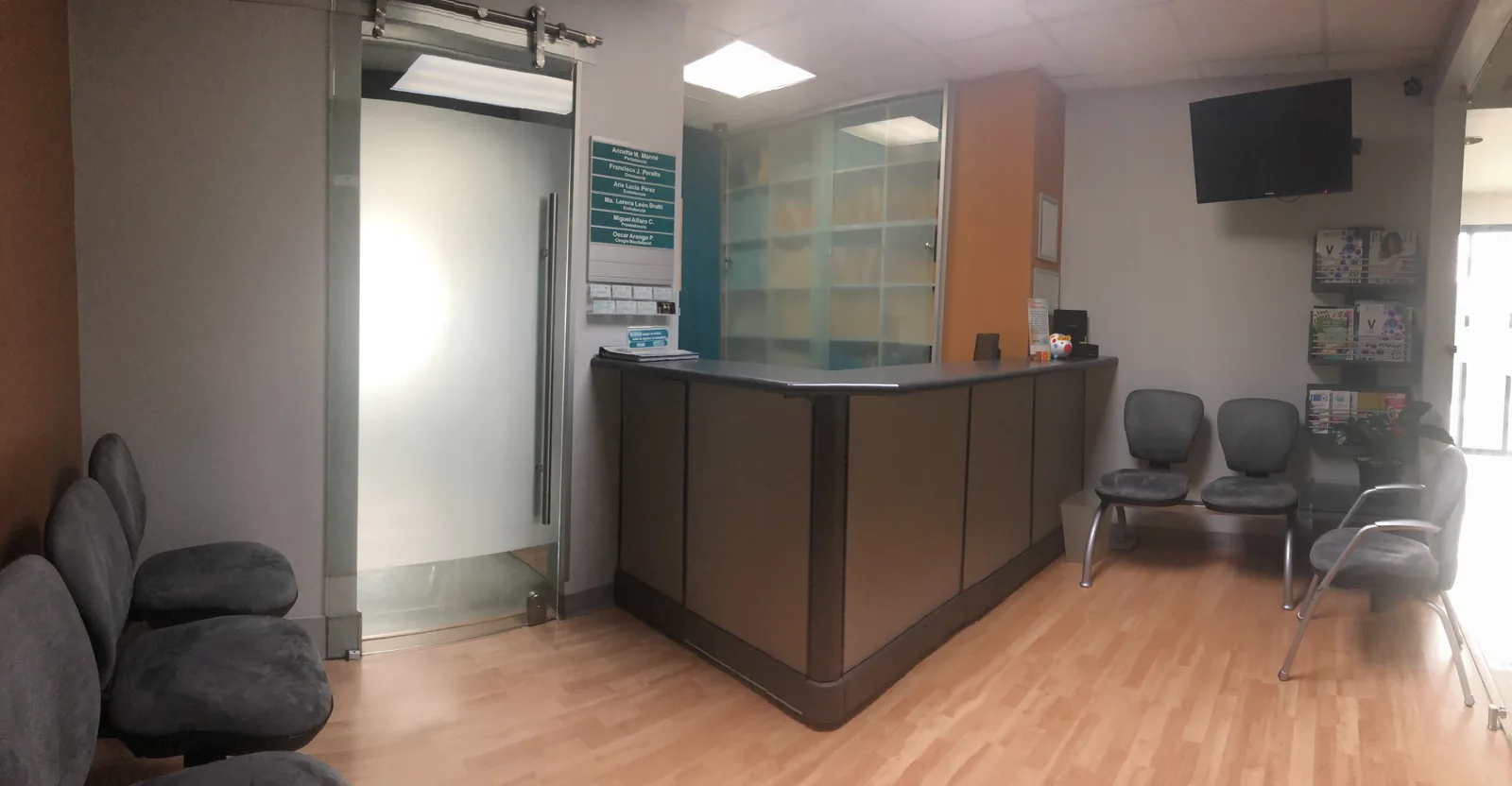
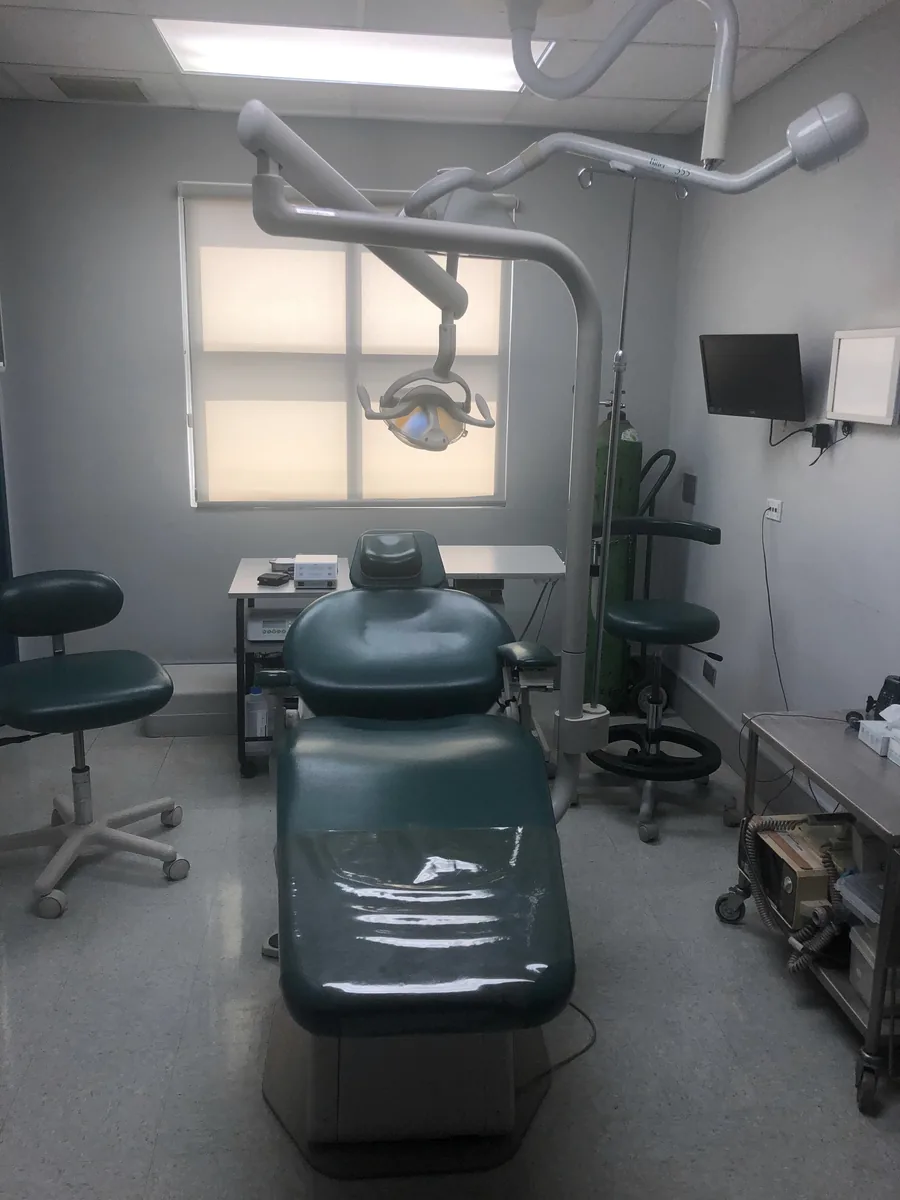
Hospital CIMA, Tower 1, 7th floor.
My office is in the Hospital CIMA medical tower in San Rafael de Escazú.
- Getting there
- Torre 1, Hospital CIMA, 7th floor, office 712
Próspero Fernández Highway, San Rafael de Escazú, San José - Open in Google Maps
- Consultation fees
- Consultation ₡60 000Video consultation ₡20 000
- Payment: Credit card, debit card or cash
Ways to be seen
General Inquiry
Consultation at office 712, Hospital CIMA.
Online Medicine
Video consultation to review imaging or questions remotely.
House visit
Depending on the case, arranged in advance.
How much is a consultation?
An in-person consultation is ₡60,000 and a video consultation ₡20,000. The cost of each surgery depends on the case: I go over it with you after the consultation, together with the plan.
Where is the office?
At Hospital CIMA, San Rafael de Escazú: Tower 1, 7th floor, office 712.
How do I book?
On this site you can see the open slots in my schedule and book directly; you can also use WhatsApp or call.
Do I need a referral from my dentist?
No. You can come directly. If your dentist or orthodontist refers you, bring their note and I'll coordinate with them.
What should I bring to the first visit?
Your ID, the list of medications you take, and any recent X-rays or CT scans. If you already have a CT scan or a panoramic X-ray, bring it: it saves us both time.